Day 1 lays the groundwork for everything a home inspector needs to know. Students are introduced to the Standards of Practice that guide inspections nationwide, along with Indiana-specific laws regulating the profession. You’ll explore the scope of a typical home inspection, learning what’s included, what’s limited, and what’s excluded—following guidelines from ASHI, NAHI, and NACHI. We also discuss the inspector’s role in real estate transactions, and review the essential tools required for the job.
The second half of the day focuses on hands-on building components, starting with the exterior—walls, flashing, trim, doors, foundations, decks, grading, drainage, and more. Then we move indoors, covering interior elements like walls, ceilings, floors, stairways, cabinets, and garage safety. This day sets the tone for a professional, thorough approach to inspections.

1. The Standards of Practice
This topic covers the professional guidelines that home inspectors must follow during an inspection. It introduces the core responsibilities, expected conduct, and inspection procedures set by major organizations like ASHI (American Society of Home Inspectors) and NACHI. These standards ensure consistency, safety, and ethical behavior in the industry.

2. Indiana Law Concerning Home Inspectors
A focused session on the legal requirements specific to Indiana, including licensing procedures, continuing education mandates, insurance coverage, and regulatory oversight. It helps students understand how state law governs their practice and protects both inspectors and clients.
3. Scope of a Residential Home Inspection
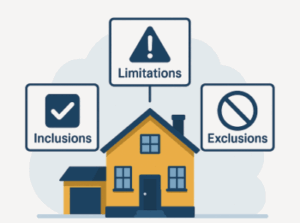
This topic details what is and isn’t included in a standard residential inspection. It emphasizes:
- Inclusions: Structural components, roofing, plumbing, electrical, HVAC, interiors, and exteriors.
- Limitations: Access restrictions, weather-related constraints, or areas outside the inspector’s expertise.
- Exclusions: Environmental hazards (like mold or asbestos), code compliance, and concealed defects. All based on the recognized Standards of Practice from leading associations.

4. The Home Inspector’s Role in a Real Estate Transaction
Explores the inspector’s position as a neutral third-party, offering factual, unbiased reports that help buyers make informed decisions. It explains the timing of inspections within a transaction, communication with agents and clients, and how to handle potential conflicts or pressures.
5. Basic Tools Needed for a Home Inspection
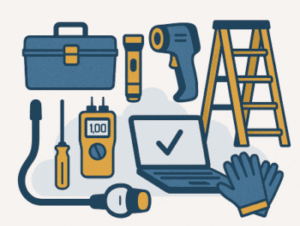
A practical overview of the essential equipment every home inspector should carry, including:
- Flashlights, ladders, electrical testers, moisture meters, and infrared thermometers.
- Software or mobile apps for digital report writing.
- Safety gear for accessing crawlspaces or attics. This topic helps future inspectors prepare for real-world conditions and understand how to inspect safely and thoroughly.

🔹 Exterior Walls, Flashing, and Trim
Inspectors evaluate the condition of siding, trim, and flashing for signs of damage, water intrusion, or improper installation.

🔹 Doors and Windows
This includes checking operation, seals, weatherstripping, and signs of rot or air leakage around frames.
🔹 Foundations
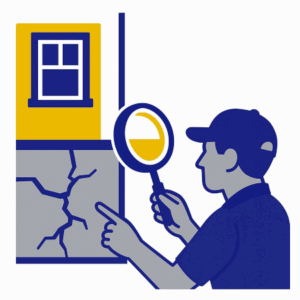
Foundations are inspected for visible cracks, settlement issues, and drainage concerns that could affect structural integrity.
🔹 Decks, Balconies, Steps, Porches, and Railings
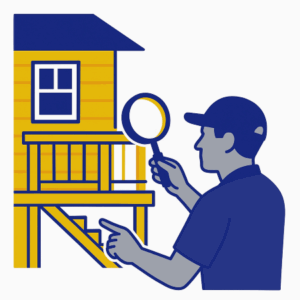
These structures are assessed for stability, attachment methods, and safety hazards such as loose railings or rot.

🔹 Eaves, Soffit, and Fascia
Inspectors look for signs of moisture damage, ventilation issues, or pest entry points in these roof-edge components.

🔹 Driveways, Walkways, and Landscaping
The inspection includes evaluating surface condition, trip hazards, and grading that may direct water toward the home.

🔹 Retaining Walls
These are checked for leaning, cracking, drainage problems, and overall structural soundness.

🔹 Gutters, Grading, and Drainage Control Systems
Inspectors ensure that water is being directed safely away from the foundation through proper grading and functioning gutter systems.

🔹 Walls, Ceilings, and Floors
Inspectors look for structural issues, water damage, cracks, and signs of settlement throughout interior surfaces.

🔹 Stairwells, Balconies, and Railings
These areas are checked for safety, proper support, secure railings, and consistent tread/riser dimensions.

🔹 Cabinets and Counters
Evaluated for functionality, damage, secure mounting, and general wear and tear.

🔹 Windows and Doors
Interior doors and windows are inspected for smooth operation, alignment, lock function, and signs of moisture or air leaks.

🔹 Dwelling Units / Garage Separation
This includes checking for proper fire-rated construction and sealed access points between living space and garage.

🔹 Garage Doors and Openers
Inspected for safe operation, reverse mechanisms, physical damage, and proper installation.
Our Instructors
The instructors’ knowledge and industry experience are certainly important, but even more important are their communication skills. We thoroughly enjoy teaching the class and our students say it shows. We are committed to the Home Inspection industry and although we do own a Home Inspection company we hold nothing back. Yes, we are training our future competitors but we all benefit if the industry is more professional. We believe that!


Jon Satterthwaite
🔍 ABOUT JON
Jason Satterthwaite
🔍 ABOUT JASON