Day 2 dives into the core physical structure of a home—what holds it up, keeps it dry, and protects it from the elements. The morning focuses on framing and foundation systems, covering various materials such as concrete, brick, and stone, as well as how to identify issues like water intrusion, improper footing, and poor ventilation. We also discuss insulation and vapor barriers, essential for energy efficiency and moisture control.
In the afternoon, we turn our attention to the roofing system. Students learn how to inspect and evaluate all major roofing types, including composition shingles, shakes, flat roofs, metal, slate, and tile. You’ll learn how to assess flashing, chimneys, skylights, and roof drainage, along with techniques for detecting leaks, condensation, and other common failures that affect roof integrity.
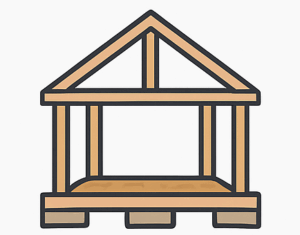
🔹 Floor and wall framing
Gain the skills to evaluate the structural integrity of wall and floor systems by identifying framing materials such as dimensional lumber, engineered wood, or steel studs. Learn how framing layout affects load distribution, and how to recognize signs of structural compromise—like uneven floors, bowed walls, or improper spacing. You’ll also understand common framing methods, including platform and balloon framing, and their relevance to modern and older construction.
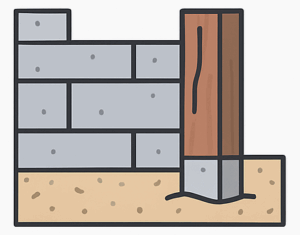
🔹 Foundation support systems
Understand the essential role of foundation systems in structural support. Explore various foundation types—slab-on-grade, crawlspaces, and basements—constructed from materials such as concrete, concrete block, brick, stone, and pressure-treated wood. Learn how to inspect perimeter footings, piers, and grade beams, and how to identify signs of settlement, cracking, water intrusion, or poor drainage that can compromise the structure.
🔹 Water or seepage-related sources
Learn to spot early and advanced signs of water intrusion and seepage that affect the performance and safety of the structure. This includes identifying water stains, efflorescence, mold, corrosion, and decay in wood, masonry, or concrete components. Understand how capillary action, poor grading, or faulty drainage systems contribute to chronic moisture issues. Techniques for moisture detection—including visual cues and moisture meters—will be introduced.
🔹 Flood control devices
Review common flood prevention tools such as sump pumps, floor drains, backwater valves, and French drains. Learn how these systems are installed, how they function, and what failure signs to look for. You’ll assess whether flood control components are properly located, maintained, and adequately protecting the property from rising water tables, surface runoff, or plumbing failures. You’ll also explore the implications of missing or inactive systems in high-risk areas.
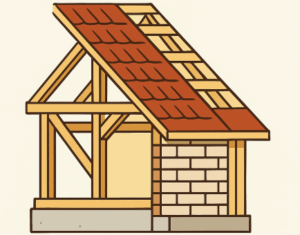
🔹 Roof structure and systems related to composition
Explore how different roof framing systems—such as rafters, trusses, and structural sheathing—support composition roofing materials. Learn how to inspect framing members for sagging, notching, or over-spanning. You’ll understand how loading, spacing, and ventilation affect long-term performance. This section also emphasizes the integration between framing, roof coverings, and insulation to prevent failure and extend the roof’s service life.
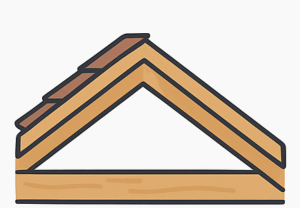
🔹 Under-roof and under-floor ventilation
Proper ventilation in attics and crawlspaces is critical for moisture and temperature control. Learn to identify ridge vents, soffit vents, gable vents, foundation vents, and mechanical systems. Understand the consequences of poor airflow—such as mold growth, wood rot, and reduced insulation efficiency. You’ll assess both passive and powered systems and evaluate whether intake and exhaust are balanced to meet modern building standards.
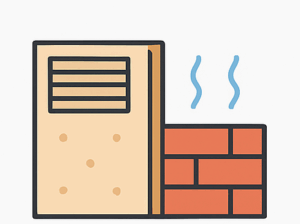
🔹 Insulation and vapor protection systems
Explore the types of insulation used in floors, walls, and attics—including fiberglass batts, rigid foam, spray foam, and blown-in cellulose. Learn how insulation R-values relate to energy performance and occupant comfort. This section also covers vapor barriers and retarders, their placement in different climates, and how improper installation can lead to trapped moisture, mold growth, or reduced insulation effectiveness.

🔹Composition Roofs
Composition roofs are made of asphalt shingles reinforced with fiberglass or organic materials. They are one of the most common roofing types due to their affordability, ease of installation, and wide range of colors and styles. Inspectors should check for curling, granule loss, cracking, and signs of wear, particularly around penetrations and valleys.
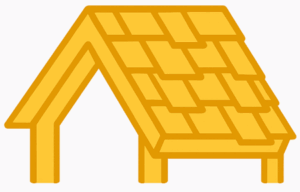
🔹Wood Shingle and Shake Roofs
Wood roofs, including shingles and shakes, offer natural beauty and insulation. Shingles are machine-cut for a uniform look, while shakes are hand-split for a more rustic appearance. Inspections should focus on signs of weathering, splitting, moss growth, insect damage, and excessive spacing, which can lead to water intrusion.
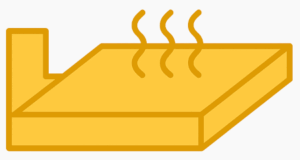
🔹Flat Roofs (Built-Up and Single Ply)
Flat roofs are common in commercial structures and modern homes. Built-up roofs (BUR) consist of multiple layers of felt and asphalt, while single-ply membranes (e.g., TPO, EPDM, PVC) are lighter and faster to install. Inspect for ponding water, blistering, membrane punctures, seam failures, and poor drainage slope.

🔹Other Roofing Systems (Metal, Slate, Tile, Concrete)
These durable roofing systems vary in material and longevity. Metal roofs resist fire and shed water well. Slate and tile roofs offer high durability but are heavy and brittle. Concrete tiles combine strength with versatility. Inspect for cracked, slipped, or broken pieces, rust or corrosion on metal, and underlayment integrity.
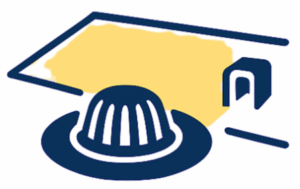
🔹Roof Drainage Systems
Effective drainage is critical to roof longevity. This includes gutters, downspouts, scuppers, and internal drains. Inspectors should verify that water is being directed away from the structure, and look for clogs, corrosion, detachment, or signs of overflow that can cause fascia, soffit, or foundation damage.
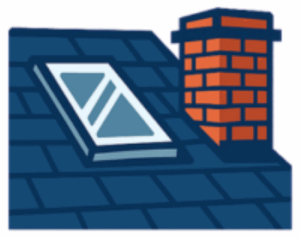
🔹Flashing, Skylights, Chimneys and Roof Penetrations
Flashing prevents water intrusion where roof planes meet vertical surfaces or openings. Skylights and chimneys are common leak sources if flashing is damaged or improperly installed. Inspect all penetrations for sealant deterioration, rust, gaps, and water stains. Proper flashing is essential for waterproofing.
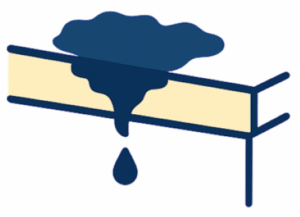
🔹Detection of Leakage and Condensation
Detecting roof leaks involves identifying active or past water intrusion. Look for interior stains, mold, peeling paint, or damp insulation. Condensation may occur from poor ventilation or insulation and often mimics leaks. Use moisture meters and infrared tools to confirm sources and severity.
Our Instructors
The instructors’ knowledge and industry experience are certainly important, but even more important are their communication skills. We thoroughly enjoy teaching the class and our students say it shows. We are committed to the Home Inspection industry and although we do own a Home Inspection company we hold nothing back. Yes, we are training our future competitors but we all benefit if the industry is more professional. We believe that!


Jon Satterthwaite
🔍 ABOUT JON
Jason Satterthwaite
🔍 ABOUT JASON