Day 3 covers the systems that deliver water and remove waste from the home. In the morning, we focus on the drain, waste, and vent system, along with fixtures and faucets, teaching students how to identify proper flow, drainage, and signs of leaks or corrosion. Functional testing of pressure and drainage helps reinforce inspection techniques.
The afternoon shifts to water heater equipment and fuel distribution systems. Students learn to inspect for proper installation, venting, and safety controls. The day ends with hands-on training, where participants perform live inspections and apply the concepts in real-world scenarios.
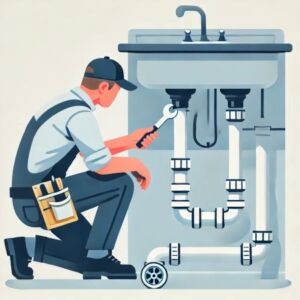
🔹Drain, Waste, and Vent System
Learn how to identify and evaluate the components of a home’s plumbing system responsible for removing wastewater and venting sewer gases. Covers materials, layout, slope, and signs of blockages or improper installation.
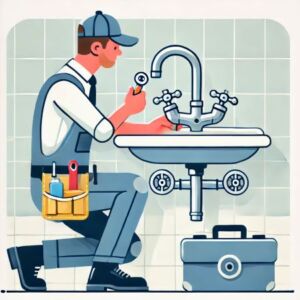
🔹 Fixtures and Faucets
Inspect commonly used plumbing fixtures such as sinks, tubs, showers, and faucets. Focus on proper installation, function, secure mounting, and evidence of leaks, drips, or wear.
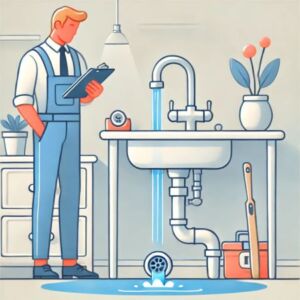
🔹 Functional Flow and Functional Drainage
Assess water pressure and drainage performance at multiple fixtures. Understand acceptable standards for flow and how to spot issues like slow drainage, airlocks, or cross-connections.
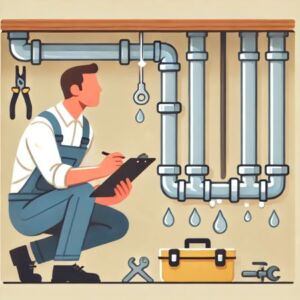
🔹 Leaks and Corrosion
Identify signs of active or potential water leaks and evaluate metal pipe corrosion. Covers common problem areas including joints, shut-off valves, and connections under sinks and in basements.
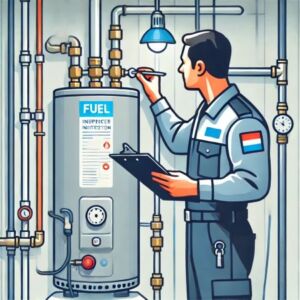
🔹 Water Heater Equipment and Fuel Distribution System
Inspect the condition, installation, and safety features of water heaters. Evaluate the associated gas, electric, or alternative fuel connections for code compliance and safety risks.

🔹 LAB
Engage in hands-on training exercises to reinforce theoretical knowledge. Activities include mock inspections, system identification, and report writing practice.
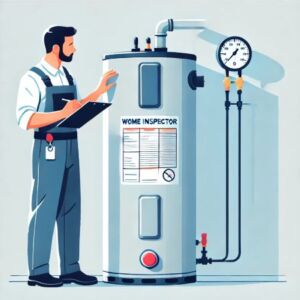
🔹 Hands-On Inspection: Water Heaters
Conduct live inspections of water heaters to evaluate temperature/pressure relief valves, expansion tanks, venting, combustion air, and clearances. Learn to document key findings accurately.
Our Instructors
The instructors’ knowledge and industry experience are certainly important, but even more important are their communication skills. We thoroughly enjoy teaching the class and our students say it shows. We are committed to the Home Inspection industry and although we do own a Home Inspection company we hold nothing back. Yes, we are training our future competitors but we all benefit if the industry is more professional. We believe that!


Jon Satterthwaite
🔍 ABOUT JON
Jason Satterthwaite
🔍 ABOUT JASON