Day 5 covers one of the most critical and safety-sensitive aspects of home inspection — the electrical system. Students will gain a foundational understanding of residential electrical components, their configurations, and how to evaluate them during inspections. Emphasis is placed on safety, code relevance, and proper reporting techniques. By the end of Day 5, students will have the skills and confidence to inspect electrical systems safely and report findings clearly and professionally during real-world home inspections.
ELECTRICAL SYSTEMS
Service Entrance and Equipment
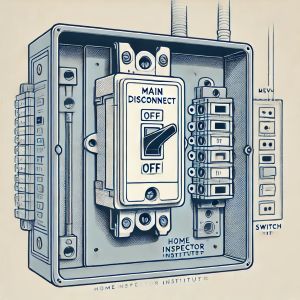
🔹 Main Disconnect
Learn to locate and identify the main electrical shut-off point and understand its function in system safety and maintenance.
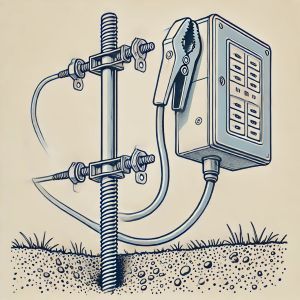
🔹 Grounding Equipment
Understand the importance of grounding for occupant safety and how to verify that systems are correctly grounded and bonded.
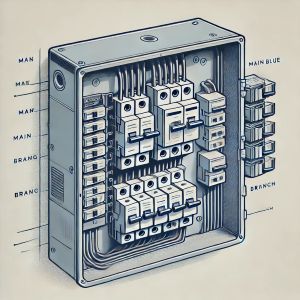
🔹 Distribution Panels and Overcurrent Protection
Examine how electrical loads are distributed through the home, including the role of circuit breakers and fuses in protecting wiring.
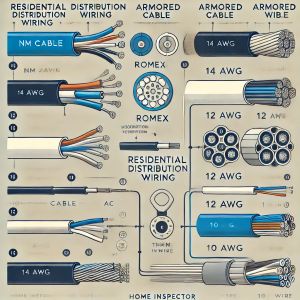
🔹Distribution Wiring Size and Type
Identify common residential wiring types, proper wire sizing, and visible signs of improper or unsafe installations.
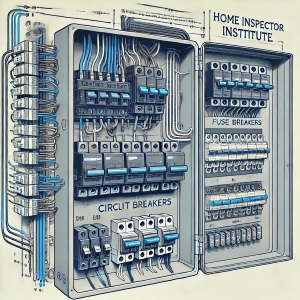
🔹 Sub-Panels, Fuses, and Breakers
Understand how sub-panels differ from main panels and how to inspect their installation and protection components.
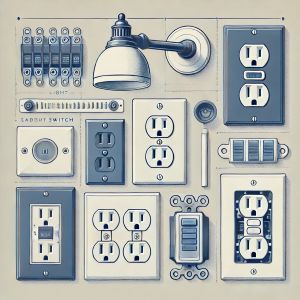
🔹 Light Fixtures, Switches, and Receptacles
Perform a basic assessment of lighting and outlet conditions, proper placement, and safety considerations.
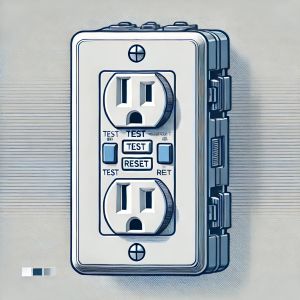
🔹 Ground Fault Circuit Interrupters (GFCIs)
Learn where GFCIs are required, how to test them, and what defects to look for in wet-area protection.

Hands-on inspection of electrical panels and components
Report Writing
Learn the purpose and structure of a professional home inspection report, including the key components that convey findings clearly and accurately to clients.
Report Writing Options
Explore different formats and styles used in the industry—from checklist-based reports to narrative-style formats—along with their pros and cons.
Exercise: Creating a Report that Meets Standards
Participate in a guided exercise where you build a sample report based on a mock or real inspection, ensuring it aligns with ASHI and Indiana state standards.
Advantages of Different Reporting Formats
Compare how different report styles impact client understanding, liability protection, and overall presentation. Learn when to use each format effectively.
Sample Reports Will Be Provided and Reviewed
Examine real-world sample reports to identify best practices, common errors, and effective presentation methods. These samples serve as helpful references.
(Begins in this session and continues on Day 6)
Our Instructors
The instructors’ knowledge and industry experience are certainly important, but even more important are their communication skills. We thoroughly enjoy teaching the class and our students say it shows. We are committed to the Home Inspection industry and although we do own a Home Inspection company we hold nothing back. Yes, we are training our future competitors but we all benefit if the industry is more professional. We believe that!


Jon Satterthwaite
🔍 ABOUT JON
Jason Satterthwaite
🔍 ABOUT JASON